NST
A Non-Stress Test (NST) is a safe, simple, and non-invasive prenatal test used to monitor the health and well-being of a baby during pregnancy. It evaluates the baby's heart rate and how it responds to natural movements, helping doctors determine whether the baby is receiving enough oxygen and is thriving inside the womb. The test is most commonly recommended during the third trimester, particularly for high-risk pregnancies or when there are concerns about the baby's growth, movement, or overall health.
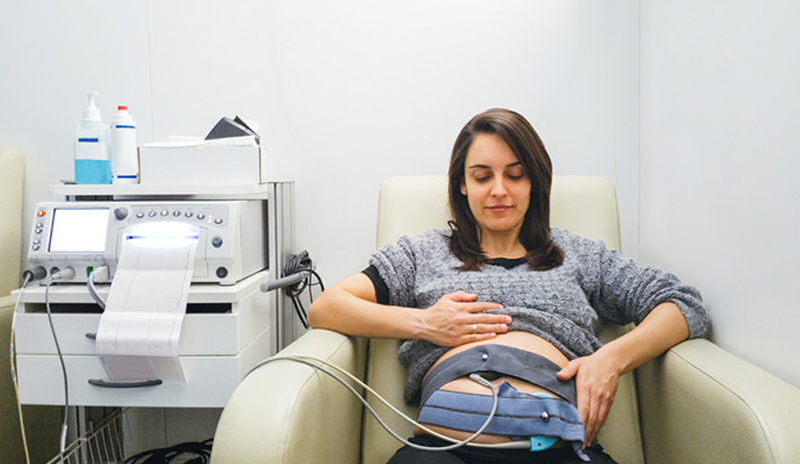
During the procedure, two sensors are placed on the mother's abdomen—one measures the baby's heart rate, while the other records uterine contractions or fetal movements. The mother is usually asked to relax in a comfortable position while the baby's heart rate is monitored for approximately 20 to 40 minutes. A healthy baby typically shows an increase in heart rate with movement, indicating normal oxygen levels and nervous system function.
An NST may be advised in cases such as decreased fetal movements, overdue pregnancy, high blood pressure, diabetes, multiple pregnancies, or previous pregnancy complications. It is also commonly used to monitor pregnancies with fetal growth restriction or other medical concerns that require close observation.
The Non-Stress Test is painless, poses no risk to either the mother or the baby, and provides valuable information that helps healthcare providers make informed decisions about pregnancy management. If the results are non-reactive, additional tests such as a biophysical profile or contraction stress test may be recommended for further evaluation.
Regular monitoring through NST offers reassurance to expectant mothers and enables timely medical intervention when necessary, ensuring the best possible outcomes for both mother and baby.