Endometriosis
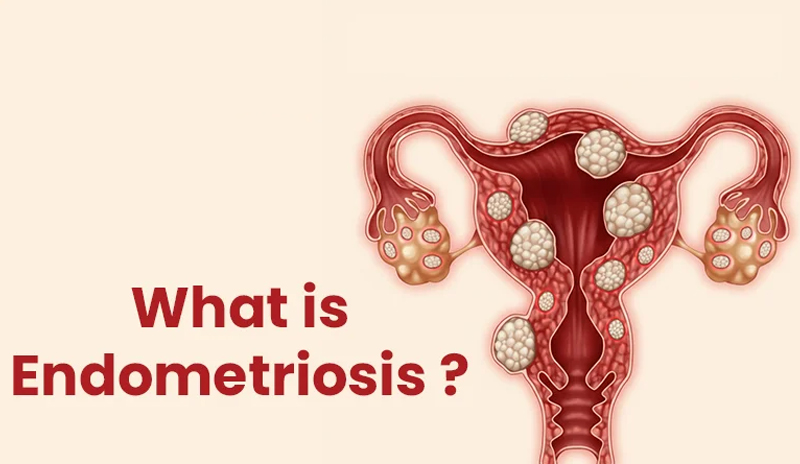
Endometriosis is a common gynecological condition in which tissue similar to the lining of the uterus grows outside the uterus, most commonly on the ovaries, fallopian tubes, pelvic lining, and surrounding organs. During each menstrual cycle, this tissue responds to hormonal changes just like the uterine lining, causing inflammation, bleeding, and the formation of scar tissue or adhesions. As a result, many women experience chronic pelvic pain, painful menstrual periods, pain during intercourse, painful bowel movements or urination, heavy menstrual bleeding, and, in some cases, difficulty conceiving.
Although the exact cause of endometriosis is not fully understood, factors such as retrograde menstruation, genetic predisposition, hormonal influences, and immune system abnormalities are believed to contribute to its development. Early diagnosis is essential to prevent disease progression and improve quality of life. Diagnosis may involve a detailed medical history, pelvic examination, ultrasound imaging, MRI, and, in selected cases, minimally invasive laparoscopy for confirmation.
Treatment is personalized according to the severity of symptoms, age, and future pregnancy plans. Conservative options include pain-relieving medications, hormonal therapies, and lifestyle modifications aimed at reducing inflammation and managing discomfort. When symptoms are severe or fertility is affected, laparoscopic surgery may be recommended to remove endometriotic lesions while preserving healthy reproductive organs whenever possible.
With timely medical care and ongoing follow-up, most women with endometriosis can successfully manage their symptoms and lead healthy, active lives. A comprehensive treatment approach that combines expert gynecological care, advanced diagnostic techniques, and individualized treatment plans can significantly improve comfort, reproductive health, and overall well-being. Regular consultations and early intervention play a vital role in achieving the best long-term outcomes for women living with endometriosis.